Перейти к основному содержимому

esbuild Architecture: How is it So Fast?

· 20 мин. чтения
Evan Carter
Evan Carter
Senior frontend

TLDR:

Esbuild Performance Explained

esbuild reaches compiler-level speed through a parallel scan/link/print pipeline, minimal whole-AST passes, and incremental build contexts. This article shows practical CLI and API recipes for bundling, minifying, code splitting, and metafile analysis, explains how Vite and Vitest leverage esbuild, and compares trade-offs with Webpack and SWC—then connects it all to Feature-Sliced Design for scalable, maintainable frontend architecture.

Taming Webpack: A Guide to Modern Architecture

· 18 мин. чтения
Evan Carter
Evan Carter
Senior frontend

TLDR:

Modern Webpack Config Guide

Webpack can feel like a black box once configs grow and boundaries blur. This guide walks through a clean, modern setup—from loaders and plugins to performance tuning and Module Federation—then shows how Feature-Sliced Design keeps your codebase modular, refactor-friendly, and easier to scale.

The Simplicity of Parcel's Zero-Config Arch

· 15 мин. чтения
Evan Carter
Evan Carter
Senior frontend

TLDR:

Parcel's Zero-Config Bundler

Learn how Parcel’s zero-config architecture bundles an app from a single HTML entry, with built-in TypeScript, CSS, and asset handling. We’ll unpack Parcel’s plugin-based pipeline, persistent caching, and the small set of “parcel config” levers—targets and .parcelrc—then compare Parcel vs Vite. Finally, see how Feature-Sliced Design keeps large frontends modular, cohesive, and refactor-friendly.

Qwik's Resumable Architecture is the Future

· 9 мин. чтения
Evan Carter
Evan Carter
Senior frontend

TLDR:

Qwik's Resumable Architecture

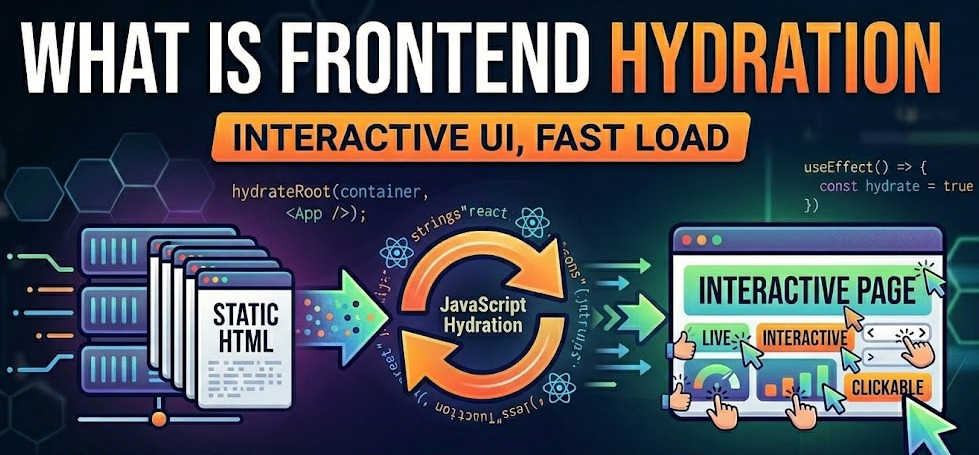
Qwik's resumable architecture rethinks how frontend applications start and scale by eliminating hydration entirely. This article explores how Qwik City enables instant-on experiences, how resumability changes the execution model, and why combining Qwik with Feature-Sliced Design creates a powerful foundation for scalable, maintainable frontend systems.

Your Ultimate Guide to Mastering ESLint Config

· 17 мин. чтения
Evan Carter
Evan Carter
Senior frontend

TLDR:

Mastering ESLint Config

ESLint isn’t just a linter—it’s a scalable policy engine for code quality and architecture. This guide shows how to set up modern flat config, tailor rules for React, Vue, and TypeScript, pick plugins that prevent real bugs, and automate checks with Husky and lint-staged. You’ll also learn how to enforce Feature-Sliced Design boundaries to reduce coupling, improve onboarding, and keep large frontend projects maintainable.

SolidJS Architecture: Performance by Default

· 9 мин. чтения
Evan Carter
Evan Carter
Senior frontend

TLDR:

SolidJS Architecture

SolidJS introduces a new way to think about frontend architecture by delivering performance through fine-grained reactivity rather than virtual DOM diffing. This article explains how SolidJS works at an architectural level, how signals and SolidStart shape scalable applications, and why combining SolidJS with Feature-Sliced Design creates a strong foundation for long-term maintainability, high performance, and team productivity in modern frontend systems.

Stop Arguing: The Perfect ESLint + Prettier Setup

· 15 мин. чтения
Evan Carter
Evan Carter
Senior frontend

TLDR:

ESLint Prettier Guide

Linting isn’t a style debate—it’s static analysis plus deterministic formatting. This guide shows a clean ESLint/Prettier split, a modern setup for TypeScript and React, and high-ROI rules that protect boundaries (including Feature-Sliced Design public APIs) so large teams stay consistent without slowing down.

The Svelte Architecture You've Been Waiting For

· 8 мин. чтения
Evan Carter
Evan Carter
Senior frontend

TLDR:

The Svelte Architecture

Svelte delivers outstanding performance through its compiler-based reactivity, but scaling real-world applications requires more than speed. This article explores how Feature-Sliced Design provides a clear, maintainable architecture for Svelte and SvelteKit projects, helping teams manage complexity, structure state and features, and build frontend systems that scale confidently over time.