주요 콘텐츠로 건너뛰기

The Next Frontier: Progressive Hydration

· 18분 읽기

Evan Carter
Evan Carter
Senior frontend

TLDR:

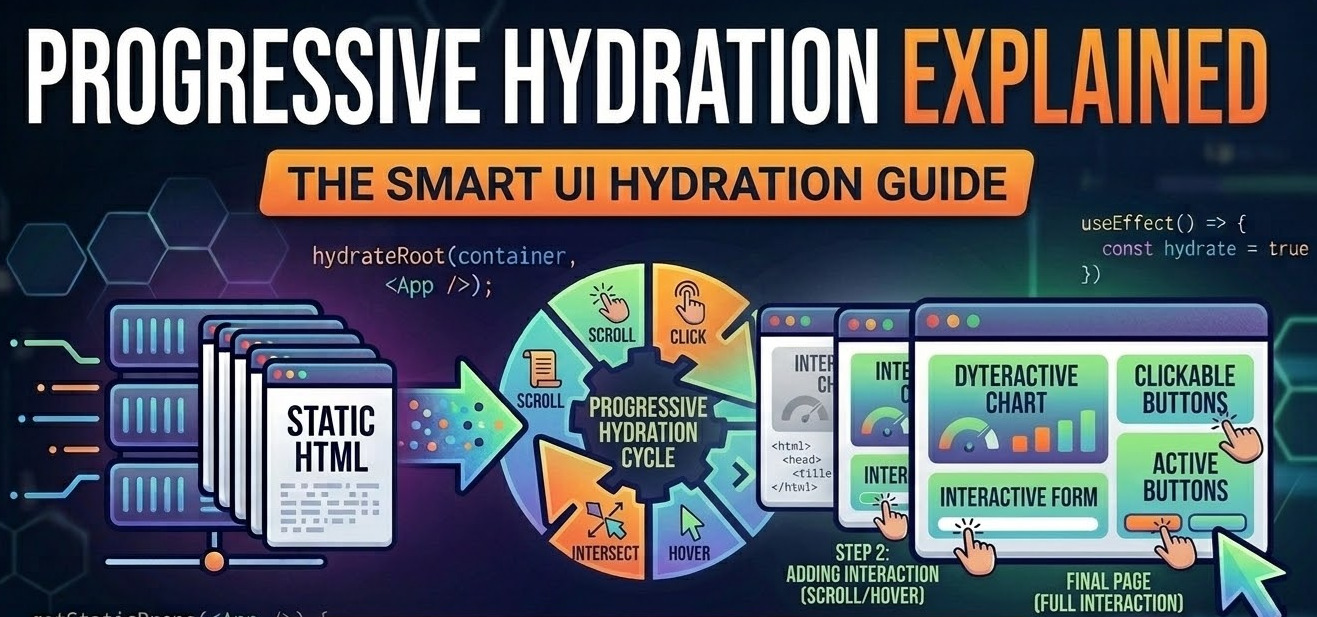
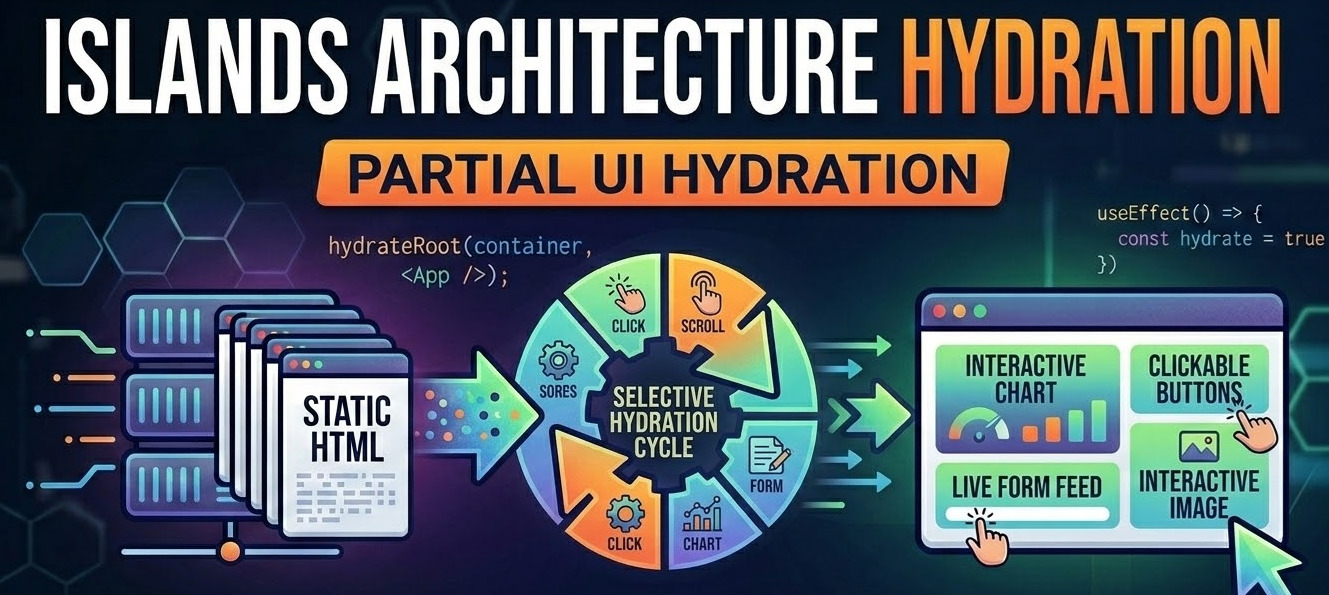
Progressive Hydration Explained

Progressive hydration helps modern frontend teams prioritize critical interactivity instead of hydrating an entire page at once. This article explains how streaming SSR, React Server Components, and Feature-Sliced Design work together to improve responsiveness, reduce unnecessary client-side work, and keep large applications maintainable.

The Architect's Guide to Frontend Theming

· 17분 읽기
Evan Carter
Evan Carter
Senior frontend

TLDR:

Frontend Theming

Frontend theming is no longer just about switching between light and dark colors. At scale, it becomes an architectural concern that affects design tokens, component boundaries, React state flow, white-label customization, and long-term maintainability. This guide explains how to build a theming system that stays clean as your product and team grow.

ISR: The Best of Both Worlds in Rendering

· 22분 읽기
Evan Carter
Evan Carter
Senior frontend

TLDR:

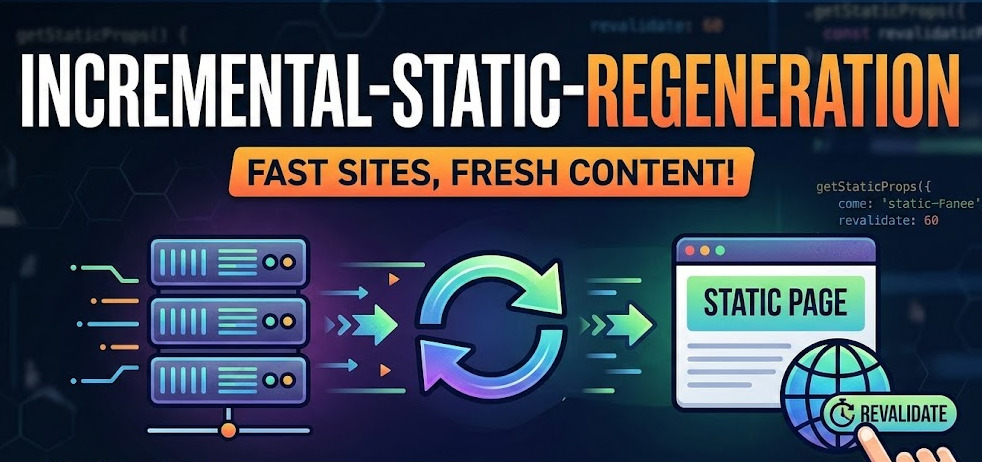
Incremental Static Regeneration

ISR gives you static speed with controlled freshness: pre-rendered pages plus revalidate windows and on-demand invalidation. This guide covers how ISR works in Next.js, how to configure it in the Pages and App Router, when to use time-based vs tag-based revalidation, and how Feature-Sliced Design keeps ISR-driven codebases modular and maintainable.

Client-Side Rendering (CSR): When to Use It

· 22분 읽기
Evan Carter
Evan Carter
Senior frontend

TLDR:

What is Client-Side Rendering (CSR)?

Client-side rendering powers most SPAs by shipping a minimal HTML shell and letting the browser render the UI with JavaScript. This guide breaks down the CSR pipeline, trade-offs, ideal use cases, and concrete ways to improve performance and SEO—using Feature-Sliced Design to keep large CSR apps scalable.

Static Site Generation (SSG) is Still King

· 14분 읽기
Evan Carter
Evan Carter
Senior frontend

TLDR:

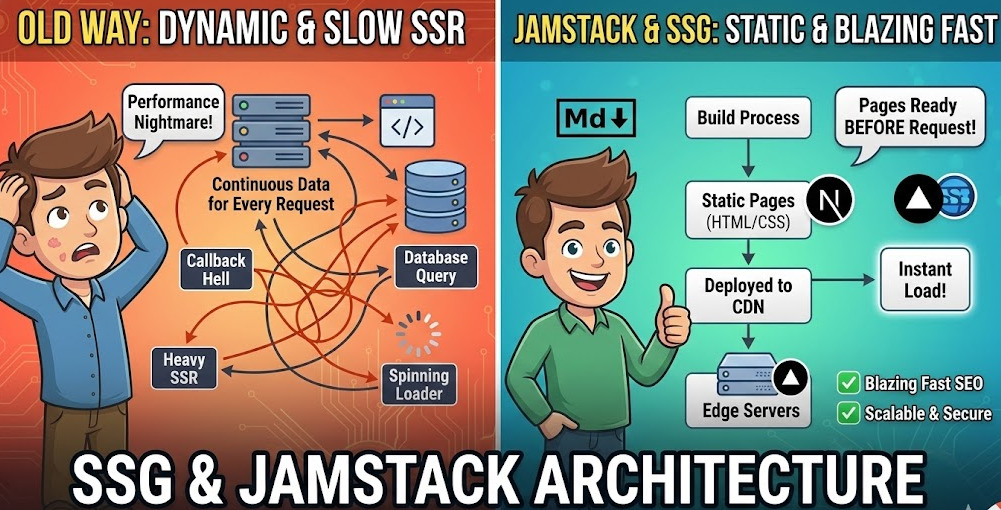
SSG Jamstack Architecture

Static Site Generation keeps winning because it turns your frontend into CDN-delivered artifacts: fast, cacheable, and resilient. In 2026, islands architecture and incremental regeneration make SSG practical for interactive products, while Jamstack APIs handle the “write” path. This article compares Astro, Gatsby, and Next.js, shows when SSG is the right choice, and explains how Feature-Sliced Design prevents architectural drift so your static codebase stays clean as teams and requirements grow.

Why I Chose Emotion for My CSS Architecture

· 17분 읽기
Evan Carter
Evan Carter
Senior frontend

TLDR:

Emotion CSS

Emotion CSS offers a flexible, high-performance foundation for scalable CSS-in-JS architecture. In this deep-dive, I explain why I chose Emotion over styled-components, how to use @emotion/react and @emotion/styled effectively, and how to approach zero-runtime CSS—while aligning styling decisions with Feature-Sliced Design for long-term maintainability.

Architectural Patterns for Frontend Side Effects

· 19분 읽기
Evan Carter
Evan Carter
Senior frontend

TLDR:

Managing Frontend Side Effects

Frontend side effects—API calls, subscriptions, timers, analytics—can turn a clean UI into spaghetti without clear boundaries. This guide covers practical patterns: organizing effects with useEffect and lifecycle hooks, separating them via service layers and use cases, and scaling with Feature-Sliced Design so effects stay isolated, testable, and maintainable.

Server-Side Rendering (SSR): An Architect's Guide

· 14분 읽기
Evan Carter
Evan Carter
Senior frontend

TLDR:

SSR Frontend Architecture

A practical architect’s guide to server side rendering: how SSR improves SEO and perceived performance, how it compares to CSR and SSG, and how to design hydration, caching, and server/client boundaries in Next.js, Nuxt.js, and Remix using Feature-Sliced Design.

The Power of styled-components Architecture

· 8분 읽기
Evan Carter
Evan Carter
Senior frontend

TLDR:

Styled Components

Styled components redefine how modern React applications handle component styling through CSS-in-JS, enabling dynamic theming, scoped styles, and improved modularity. This article explores how to architect styled-components at scale and integrate them with Feature-Sliced Design (FSD) to achieve long-term maintainability, clear boundaries, and enterprise-level frontend structure.